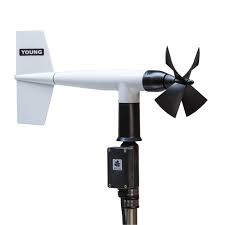
PowerWise Tech supports LEED scores
LEED Scores can be supported by technology from PowerWise.
Below is a table, based on the LEED specification, showing exactly what points in which categories are supported by technology and solutions available from PowerWise.
Category |
Points |
Location and Transportation (LT) |
|
LT Credit: Green Vehicles- Monitor EV charging as percent of total use.- Provide, schedule and control lighting for EV charging stations - Based on use, monitor EV charging station power use. |
1 |
Sustainable Sites (SS) |
|
SS Credit: Rainwater Management- Mitigate runoff with roof rainwater collection - Monitor rainwater flow- Rainwater levels in cisterns - Use Rainwise rain gauge to determine what % of total rainfall on site is collected in cisterns |
2-3 |
SS Credit: Light Pollution Reduction- Lighting schedules for parking lot use minimizes exterior light pollution - Vertical illuminance is reduced when lights are off |
1 |
Water Efficiency (WE) |
|
WE Credit: Outdoor Water Use Reduction- Use Rainwise soil monitoring to control irrigation based on temperature/soil conditions or use seasonal schedules- Log water flow during irrigation periods to verify water use totals |
1-2 |
SS Rainwater management runoff mitigation- SS Rainwater management runoff mitigation using rainwater for irrigation- Log all water collection/use |
1-2 |
WE Credit: Indoor water use reduction- Verify use with water meters and flow gauges- Use rainwater collection for flush to reduce indoor use - log collection and use for flush |
1-7 |
EA Credit: Optimize Energy Performance- LEED awards points for improvement in energy performance (=reduction)- For 20% energy use reduction, depending on building type, new construction or renovation |
4-11 |
EA Credit: Advanced Energy MeteringThis reads like a feature list of PowerWise energy monitoring solutions:- The advanced energy metering must have the following characteristics. - Meters must be permanently installed, record at intervals of one hour or less (1 min), and transmit data to a remote location. - Electricity meters must record both consumption and demand. Whole-building electricity meters should record the power factor, if appropriate. - The data collection system must use a local area network, building automation system, wireless network, or comparable communication infrastructure. - The system must be capable of storing all meter data for at least 36 months. - The data must be remotely accessible. - All meters in the system must be capable of reporting hourly, daily, monthly, and annual energy use. |
1 |
EA Credit: Demand Response- Demand response is available |
2 |
EA Credit: Renewable Energy Production- For verifiable renewable energy production percentage of total use |
3 |
Indoor Environmental Quality (EQ) |
|
EQ Credit: Enhanced Indoor Air Quality Strategies- Verify success with sensor data (CO2, VOC)- Get alerts when airflow is reduced and/or air quality is reduced, indicating filtration media needs changing |
1-2 |
EQ Credit: Low emitting materials- Verify with VOC sensor data |
1-3 |
EQ Credit: Indoor Air Quality Assessment- Verify with VOC, CO2 sensor data |
1-2 |
EQ Credit: Thermal comfort- Manage with smart thermostat controls and schedules- Manage with Heat Pump monitoring and controls - Verify with sensors and thermostat ambient temperature data |
1 |
EQ Credit: Interior Lighting- Lighting Control |
1-2 |
Innovation (IN)Under Option 3, Additional Strategies |
|
Exemplary Performance- Verify with total monitoring and control systems |
1 |
About PowerWise
PowerWise is a proven innovator of monitoring and control technology.